Viking Fun

As of this week, here in the UK we are now apparently allowed to resume outdoor group exercise: not something I am personally very excited about, but no doubt good news for many. Risk of infectious diseases notwithstanding, however, physical activity has always had its downsides – what with torn rotator cuffs and hamstring injuries and so on. But if the Icelandic sagas are anything to go by (and it should be said at the outset that many of those mentioned below are either late and/or fanciful in content), outdoor recreation in the Norse world was, by some margin, altogether a much more hazardous business .  

Continue reading “Viking Fun”
Viking Ireland

The earliest raids in Ireland fell in 795 on Rathlin Island, Co.Antrim. This was followed by attacks on St Patrick’s Isle (Co. Dublin) in 798 and at Inishmurray (Co. Sligo) in 798 and 807. By the 820s and 830s, this predation had become epidemic: In 821 came the ‘plundering of Etar by heathens’ and ‘from there they carried off a great number of women’. In 831, ‘heathens won a battle in Aignecha against the community of Armagh, so that very many were taken prisoner by them’. In 836 came ‘the first plunder taken from Southern Brega by the heathens […] and they slew many and took off very many captive’. No one should be under any romantic illusion about what this meant for the people wrenched from their homes. The reality of Viking thraldom was hell: transportation, degradation, rape and murder.[1]

Continue reading “Viking Ireland”

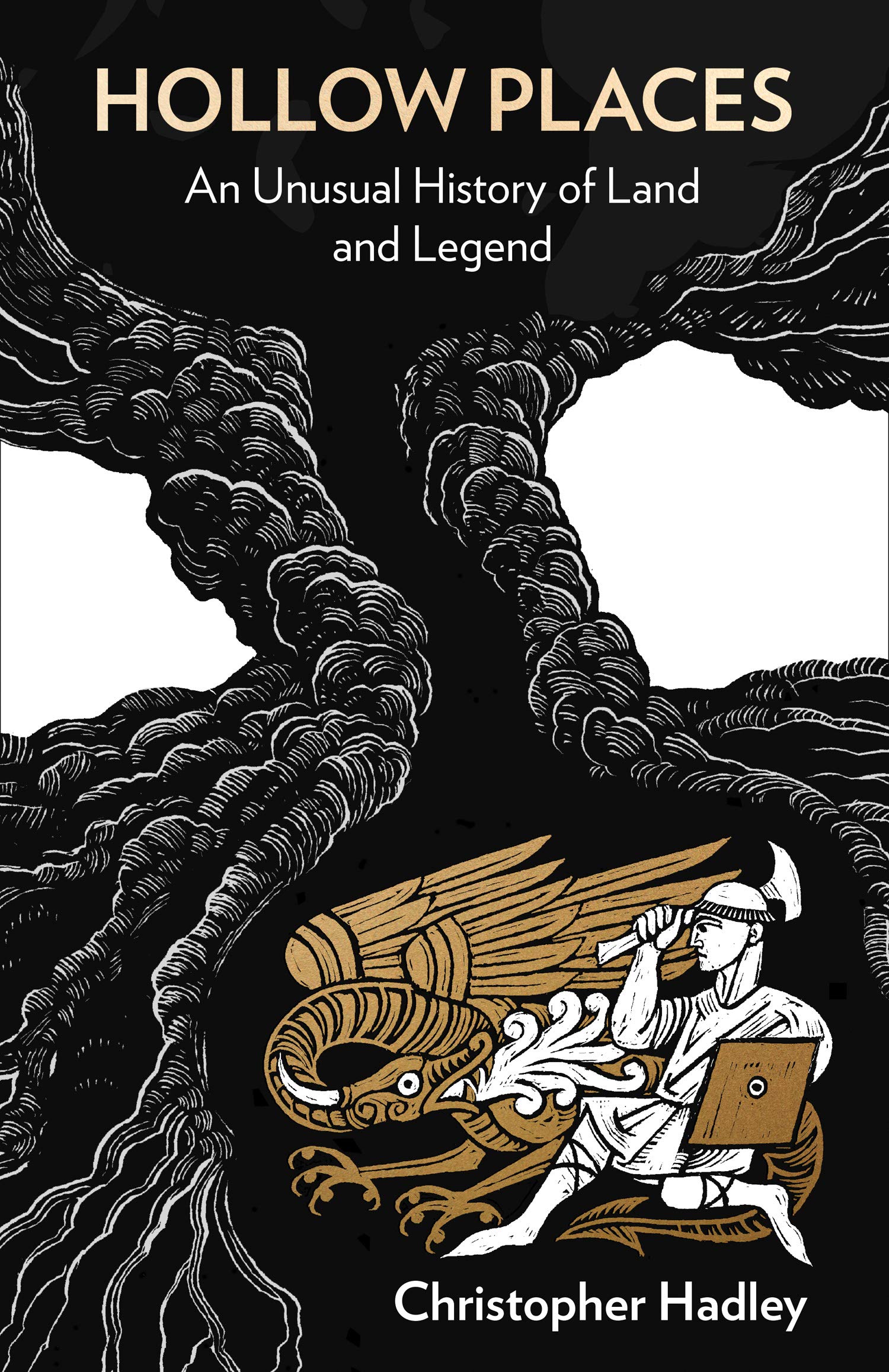
Hollow Places

Hollow Places (William Collins 2019) is both the piercing dissection of a folktale and a thrilling rummage through the thickets of the English imagination. Christopher Hadley’s debut work of book-length non-fiction ostensibly concerns the story of how Piers Shonks slew a dragon, how that dragon dwelt in a cavern beneath a yew tree, and how Shonks was buried in the parish church of St Mary at Brent Pelham in Hertfordshire.

Continue reading “Hollow Places”

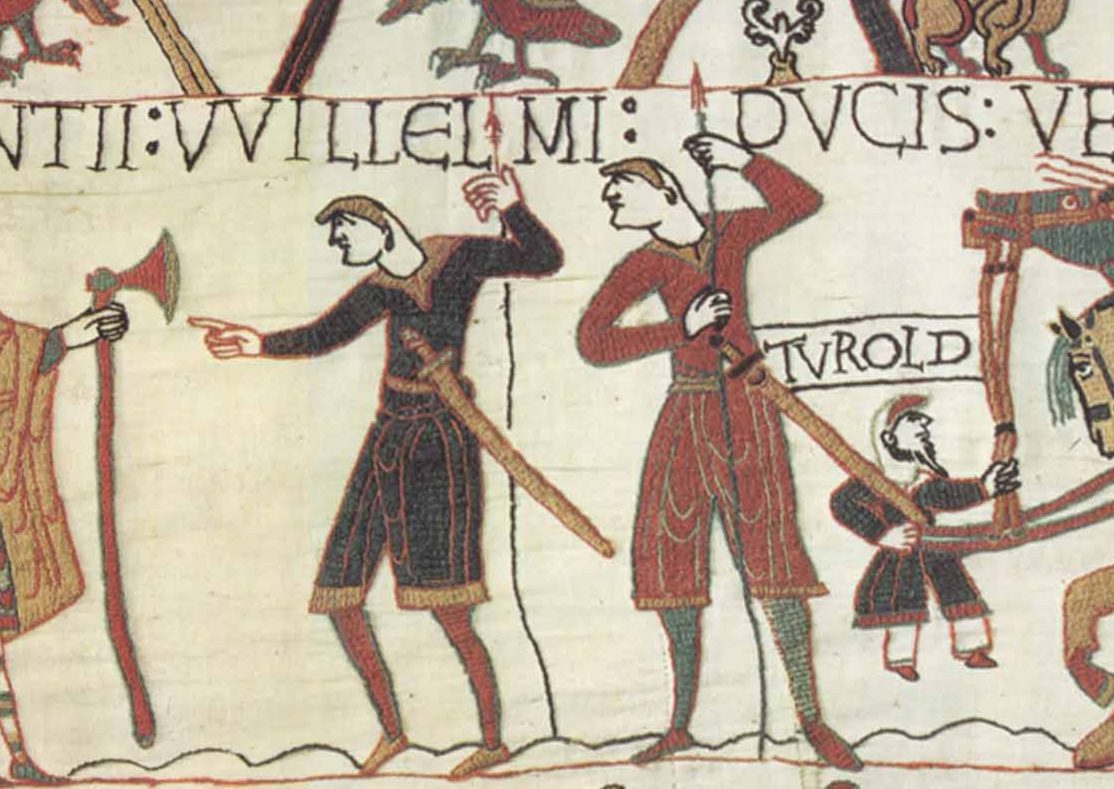
Norman haircuts and ‘Celtic’ tonsures

On page 95 of the hardback edition of Viking London, I gave the following description of a group of Normans:

their hair long in the back, but shaved from crown to hairline -hardcore mullets, haircuts that led the historian Simon Schama to call the Normans ‘the scary half-skinheads of the early feudal world.’

Striking thought his image is, anyone with a passing familiarity with the Bayeux Tapestry will have been puzzled. This is not the way that Normans wore their hair – quite the opposite in fact…

Continue reading “Norman haircuts and ‘Celtic’ tonsures”

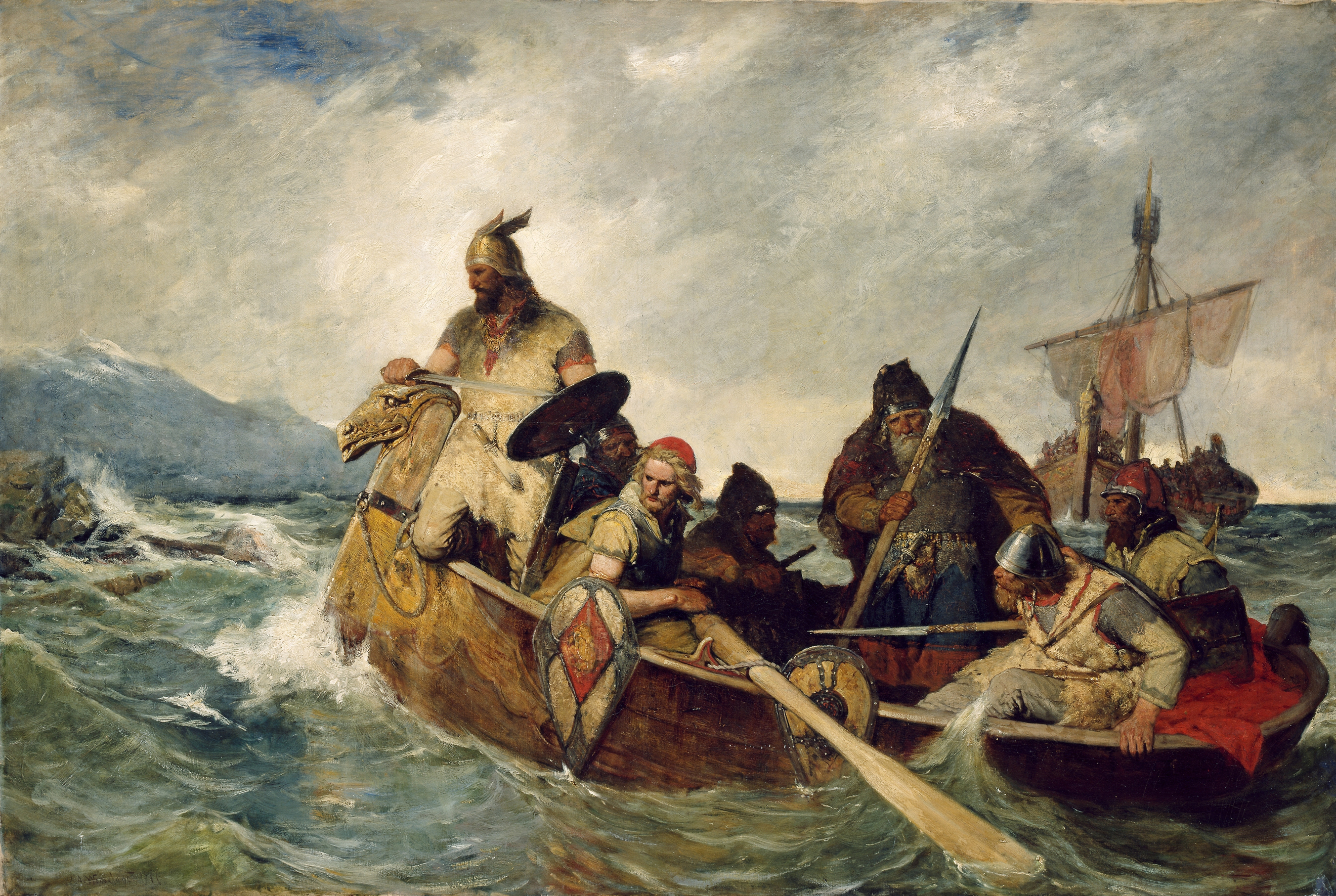
Iceland: legends of the north

NOR Nordmennene lander på Island år 872
Oscar Wergeland (1877), The Norsemen landing in Iceland [not an archaeologically accurate depiction, but still rather wonderful]

According to the Old Norse Landnámabók – ‘the book of settlements’ – the first Scandinavian settlers to make their home in Iceland were Ingólfr Arnarson, his wife Hallveig Fróðadóttr and his brother Hjörleifr. According to the legend, they left Norway in 874 after a violent feud, sailing west towards a land of which they had heard rumour. The story goes that when he first sighted land Ingólfr tossed his ‘high-seat pillars’ into the sea and followed them as they drifted towards the shore. They washed up in what is now known as Faxa Bay, in the south-west of the island, and there the family built their farmstead – the first settlement on Iceland, chosen by the tug of wind and tide. Ingolfr watched the smoke, risen from hot springs, drifting low over the water and named his farm Reykjavík, the smoking bay.

Continue reading “Iceland: legends of the north”